
Plumbing Fixture
Kaitrum International Corp
Kaitrum International Corporation was founded in 1987, initially starting as a supplier of faucet and plumbing fixtures. Boasting of a wide variety of products, Kaitrum achieved rapid annual growth rates in those early years and developed a strong reputation not only for excellence in bathroom, door and interior hardware products but also in having a superior OEM/ODM business.
Why Choose Us
Quality Assurance
Committed to Customer Satisfaction: ISO9001 certified Quality Management System. For each process, we have strict inspection standards, and we always insist that quality is life.
Perfect Service
With rich experience and one-to-one service, we can help you choose products and answer technical questions. Perfect after-sales service as an effective value-added service for customers.
Reasonable Price
We have a professional purchasing team and costing team, trying to reduce costs and profits, and provide you with a good price.
Quick Transportation
We cooperate with professional sea shipping, air and logistics companies to provide you with the best transportation solution.
-
![Bathroom Pop Up Drain]() Bathroom Pop Up DrainOur bathroom brass pop-up drain opens and closes simply by pressing the top. All exposed parts are completely plated and finished, making this drain both functional and visually appealing....read more
Bathroom Pop Up DrainOur bathroom brass pop-up drain opens and closes simply by pressing the top. All exposed parts are completely plated and finished, making this drain both functional and visually appealing....read more -
![Matt Black Bottle Trap]() Matt Black Bottle TrapOur bottle trap is a plumbing fixture used in drainage systems under sinks, basins, and other similar fixtures. Made of Solid brass and Its high quality designed meets industrial highest standard....read more
Matt Black Bottle TrapOur bottle trap is a plumbing fixture used in drainage systems under sinks, basins, and other similar fixtures. Made of Solid brass and Its high quality designed meets industrial highest standard....read more -
![Black Basin Waste]() Black Basin WasteThis bathroom black basin waste pop-up drain offers a sleek, user-friendly design that opens and closes with a simple press of the top. Crafted from solid brass for lasting durability, all exposed...read more
Black Basin WasteThis bathroom black basin waste pop-up drain offers a sleek, user-friendly design that opens and closes with a simple press of the top. Crafted from solid brass for lasting durability, all exposed...read more -
![Pop Up Sink Waste]() Pop Up Sink WasteThis pop up sink drain opens and closes simply by pressing the top. All exposed parts are completely plated and finished, making this drain both functional and visually appealing.read more
Pop Up Sink WasteThis pop up sink drain opens and closes simply by pressing the top. All exposed parts are completely plated and finished, making this drain both functional and visually appealing.read more
• Made of... -
![Brass Click Clack Waste]() Brass Click Clack WasteThis Bathroom pop up drain opens and closes simply by pressing the top. All exposed parts are completely plated and finished, making this drain both functional and visually appealing.read more
Brass Click Clack WasteThis Bathroom pop up drain opens and closes simply by pressing the top. All exposed parts are completely plated and finished, making this drain both functional and visually appealing.read more
•... -
![Matt Black Pop Up Waste]() Matt Black Pop Up WasteOur Matt Black Pop-Up Waste is a stylish and functional accessory typically used in bathroom sinks. The pop-up mechanism allows users to easily open and close the drain with a simple press, making...read more
Matt Black Pop Up WasteOur Matt Black Pop-Up Waste is a stylish and functional accessory typically used in bathroom sinks. The pop-up mechanism allows users to easily open and close the drain with a simple press, making...read more -
![Pop Up Basin Waste with Overflow]() Pop Up Basin Waste with OverflowThis Pop up basin waste with overflow includes a pop-up stopper that sits inside the drain, a lift rod that extends up to the faucet, and an overflow feature, which is a small hole near the top of...read more
Pop Up Basin Waste with OverflowThis Pop up basin waste with overflow includes a pop-up stopper that sits inside the drain, a lift rod that extends up to the faucet, and an overflow feature, which is a small hole near the top of...read more -
![Matte Black Angle Stop]() Matte Black Angle StopOur matte black angle stop is a sleek and modern plumbing fixture designed to control water flow to a specific outlet, typically used for faucets or toilets. It features a stylish matte black...read more
Matte Black Angle StopOur matte black angle stop is a sleek and modern plumbing fixture designed to control water flow to a specific outlet, typically used for faucets or toilets. It features a stylish matte black...read more -
![Brass Angle Stop]() Brass Angle StopBrass angle stop is a type of plumbing valve typically used to control the flow of water to household fixtures like sinks and toilets. Here are the key characteristics and features of a brass...read more
Brass Angle StopBrass angle stop is a type of plumbing valve typically used to control the flow of water to household fixtures like sinks and toilets. Here are the key characteristics and features of a brass...read more -
![Pex Straight Stop]() Pex Straight StopPEX straight stop valve, is a type of plumbing valve specifically designed for use with PEX (cross-linked polyethylene) piping systems. PEX straight stops are designed to connect directly to PEX...read more
Pex Straight StopPEX straight stop valve, is a type of plumbing valve specifically designed for use with PEX (cross-linked polyethylene) piping systems. PEX straight stops are designed to connect directly to PEX...read more -
![Straight Stop Valve]() Straight Stop ValveOur straight stop valve is an essential plumbing component designed to control water flow within your plumbing system. It is available with multiple connection types to suit different...read more
Straight Stop ValveOur straight stop valve is an essential plumbing component designed to control water flow within your plumbing system. It is available with multiple connection types to suit different...read more -
![Straight Shut Off Valve]() Straight Shut Off ValveA straight shut off valve, also known as a straight angle shut off valve, is essential for controlling water flow in plumbing systems. Made from durable brass, the brass straight shut off valve...read more
Straight Shut Off ValveA straight shut off valve, also known as a straight angle shut off valve, is essential for controlling water flow in plumbing systems. Made from durable brass, the brass straight shut off valve...read more


Straight shut-off valve, also known simply as a shut-off valve or stop valve, is a crucial plumbing device designed to control the flow of water in a plumbing system. The primary function of a straight shut-off valve is to start or stop the flow of water in a plumbing line. It allows users to isolate specific sections of their plumbing system for maintenance, repairs, or emergencies without disrupting water flow to the entire building.
Benefits of Straight Shut Off Valve
Straight shut-off valves are your first line of defense in emergencies. Whether dealing with a burst pipe, a malfunctioning appliance, or a leaky fixture, being able to swiftly cut off the water supply prevents extensive water damage and minimizes the need for major repairs.
When conducting repairs or maintenance on a specific area of your plumbing system, shutting off the water supply to that section is essential. This allows you to work efficiently without affecting the water supply to the entire house.
Before replacing a faucet, toilet, or any plumbing fixture, it's crucial to shut off the water supply using the appropriate straight shut-off valve. This prevents water from gushing out during the replacement process.
In case of a leak or a malfunction, shutting off the water supply promptly prevents unnecessary water wastage. This not only conserves water but also helps in reducing your water bills.
In the event of a plumbing emergency, such as a burst pipe or a sudden leak, knowing the location of straight shut-off valves gives you the ability to quickly stop the flow of water, reducing the risk of water damage and potential hazards.
What are the Key Differences Between a Straight Shut-Off Valve and an Angle Shut-Off Valve
An angle shut-off valve and a straight shut-off valve are both types of valves used to control the flow of fluid or gas in a pipeline or plumbing system. The main difference between the two is their orientation and design.
An angle valve, also known as a corner valve or an angle shut-off valve, is designed with an inlet and an outlet that are at a 90-degree angle to each other. This makes it ideal for use in tight spaces, such as behind toilets or sinks, where a straight valve may not fit. Angle shut-off valves are typically used to control the flow of water in plumbing systems.
A straight shut-off valve, on the other hand, is a type of valve that is designed with a straight inlet and outlet. It is often referred to as a globe valve or a gate valve. Straight shut-off valves are typically used to completely shut off the flow of fluid or gas in a pipeline or plumbing system. They are commonly found in applications such as gas lines, water supply lines, and industrial piping systems.
How Do you Install a Straight Shut-Off Valve?


Prep the Pipe
If installing a solder-type valve, clean the pipe with a sanding cloth. Remove as much solder as possible, ensuring that the pipe is clean and smooth. Clean the inside of the valve with the sanding cloth as well. Next, apply flux to the fitting and the joint.
If installing a thread-type valve, remove any existing thread seal tape from the threads and clean them using a wire brush. Wrap the threads with thread seal tape or pipe thread compound.
Install the Valve
If installing a solder-type valve, place the valve onto the pipe to ensure a tight fit. Twist it to distribute the flux evenly. Open the valve completely to keep the internal washer from melting. Next, heat the fitting using the propane torch. When the flux begins to bubble, apply the solder at the joint. Use about 1/2-inch of solder for 1/2-inch of pipe diameter. Wipe the joint clean with a dry cloth before the solder dries.
If installing a thread-style valve, thread the valve onto the pipe and hand tighten. Use a pipe wrench to secure the pipe and tighten the valve using an adjustable wrench. Do not over-tighten. This could crack the valve or damage the threads.
Attach Supply Lines
Attach the supply lines to the valve. If you are reattaching the old lines to the new valve, follow the same procedure you used to install the valve. If you are replacing the old supplies with new braided flexible lines, you will have to remove the old supplies from the faucets before you proceed.
Check for Leaks
Turn on the main water supply and open the newly installed supply valves. Let the water flow through the faucet to clear air in the lines. Check for leaks by feeling the fittings by hand or using a paper towel. Tighten as necessary.
How to Choose Straight Shut Off Valve
Material
The material of a straight shut off valve plays a significant role in its durability and suitability for specific environments. Valves made from brass or stainless steel are resistant to corrosion and can be ideal for both indoor and outside straight shut off valve applications. Plastic valves may be more cost-effective and are resistant to chemical degradation, making them suitable for treated water applications.
Type Of Valve
Selecting the type of straight shut off valve depends on your specific needs, such as frequency of use and required flow control. Ball valves are best for applications requiring frequent operation, while gate valves are suited for infrequent use but offer a tight seal. Consider an automatic water shut off valve for enhanced protection against leaks and water damage, especially in high-risk areas.
Size
The size of the straight shut off valve should match the diameter of your existing plumbing pipes to ensure a leak-free installation and efficient water flow. It’s crucial to measure your pipes accurately or consult with a professional before purchasing a valve to avoid compatibility issues.
Pipe Compatibility
Ensure that the straight shut off valve you choose is compatible with the type of piping in your home. Some valves are specifically designed for copper, PVC, or PEX pipes, and using the wrong type can lead to improper fitting or even damage to the piping system. Compatibility is particularly important for outside straight shut off valve setups where environmental factors might influence material choice.
Installation
Installation ease can vary greatly between different types of straight shut off valves. Some valves may require professional installation, especially in complex plumbing systems or where major pipe modifications are necessary. For simpler setups, look for valves that offer straightforward, tool-free installations, particularly if you plan to install the valve yourself.
Common Locations for Straight Shut Off Valve
Main Water Supply
The most critical straight shut-off valve in any residential setup resides where your municipal water main or well supply line first enters the property. This is your emergency kill switch for stopping all water flow into the house with one convenient twist, invaluable when major leaks or pipe ruptures put you in crisis mode.
01
Water Heater
Those big insulated tanks require straight shut-off valves installed on both the incoming cold supply line and outgoing hot water distribution line. This allows you to easily service the water heater itself by cutting off flow in both directions while preventing festering leaks from flooding your home.
02
Fixtures
To make plumbing repairs and fixture replacements easier, most bathrooms and kitchen areas feature localized shut-off valves controlling flow to sinks, toilets, and appliances individually. Closing these eliminates any guesswork when making updates.
03
Appliances
Speaking of appliances dishwashers, washing machines, ice makers, you name it they all should have dedicated straight shut-off valves too. Contained leaks inside these units can be stopped immediately to prevent standing water buildup and damage.
04
Exterior
For homes with outdoor plumbing configurations like hose bibs, irrigation systems, or even exterior kitchens, having straight shut-off valves installed keeps you in control of any water exiting the main residence to help protect against freezing.
05
How to Maintain Straight Shut Off Valve
Regularly Inspect and Test
When you inspect and test straight shut off valves regularly, you can ensure they function properly. Do visual inspections for signs of damage or wear. After checking the valve visually, test it by turning it off or on to ensure it still works.
Clean and Lubricate
When cleaning your straight shut off valves, you may use a small brush and soapy water to remove any build-up. Wiping off the valve and its handles with a towel dries it before applying lubricant. Lubricating the valve component after cleaning helps reduce friction and build-up. You may manually lubricate your valves by opening them and applying a lubricant to the stem.
Replace Damaged or Worn Parts
If a straight shut off valve is not functioning properly, it may be necessary to replace components such as seals or gaskets. A seal or gasket might also be worn out due to age or excessive use. Rusting can occur inside the valve body and degrade components such as rubber seals, leading to leaks. The best way to replace these parts is to follow the manufacturer’s instructions and use compatible features.
What is Quarter Turn Ball Valve
A quarter-turn ball valve is a shut-off valve that controls the flow of a liquid or gas by means of a rotary ball having a bore. By rotating the ball a quarter turn (90 degrees) around its axis, the medium can flow through or be blocked. They are characterized by a long service life and provide a reliable sealing over the life span, even when the valve is not in use for a long time. Quarter-turn ball valves are best suited for on/off applications.
Benefits of Quarter Turn Ball Valve
Durable and Reliable: Quarter turn ball valves are durable and extremely reliable in use. The quarter turn ball valves can be opened and closed quickly. This makes them the preferred choice for isolation applications where the system needs to be shut-off quickly or the valves are used frequently.
Excellent Effinity: Quarter turn ball valves are regarded as high recovery valves because of their large opening size, minimal pressure drop, and high flow capacity. When the valve is fully open, there is minimal resistance or turbulence in the fluid flow.
Versatile Use: Quarter turn ball valves operate on a straightforward quarter-turn (90-degree) and are both effective and practical. The valve is also simple to install and remove because of its compact size and relatively low weight.
Easy to Maintain: Quarter turn ball valves are easier to use and need less maintenance than other valve designs. The packing seal on the valve stem does not wear out or fail readily since the ball valve stem spins without axial movement.
Eco-Friendly: Quarter turn ball valves are less expensive than other, more intricate valve designs. They are also less expensive to maintain since they require less care. put into practice over time.
A quarter turn ball valve consists of a hollow, perforated, and pivoting ball with a hole (port) through its center. The ball is positioned inside a body with inlet and outlet ports. When the valve is open, the hole aligns with the inlet and outlet ports of the valve body, allowing fluid (usually water) to flow through. The valve is operated by a lever or handle that rotates the ball 90 degrees (a quarter turn) between fully open and fully closed positions. When closed, the ball's hole is perpendicular to the flow, blocking it completely.
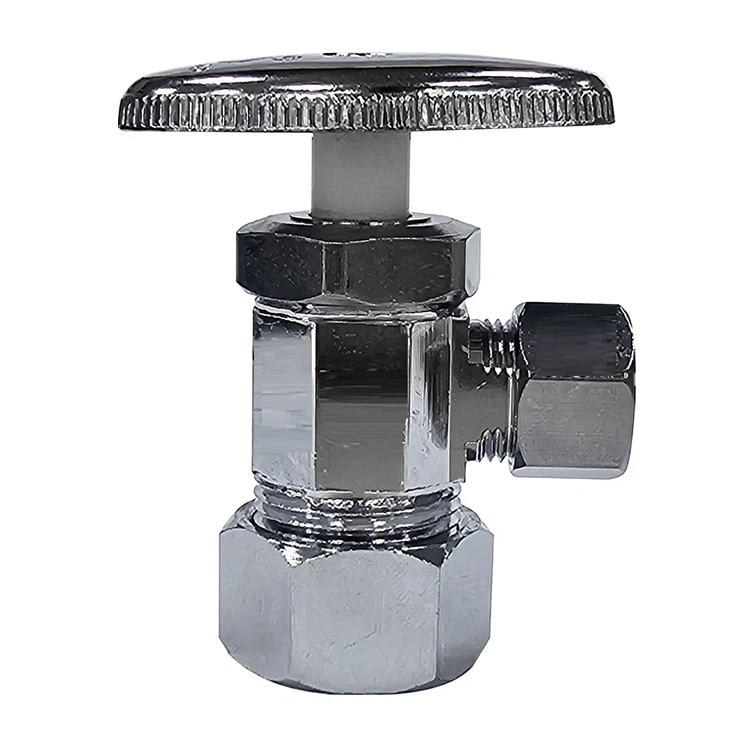

The difference between quarter-turn valves and ball valves is pretty straightforward. Quarter turn valves need an outside turning motion to open or close them (like a door). On the other hand, with ball valves, it is needed to push down on the top with the hand, no turning required! The reason for this difference is that they have entirely different purposes. Quarter turn valves are used as faucets, so their shape needs to allow the user’s hands to reach them from any angle. In contrast, ball valves are mainly used for controlling pressure and flow in mechanical devices like home heating systems, washing machines, and sprinkler systems.
Begin by gathering all the necessary tools and materials for the installation. Turn off the water supply to the pipe where you’ll install the valve. If the pipe contains fluid, ensure it drains properly to prevent spills and mess. Then follow these steps:
Measure and Cut
Measure the section of the pipe where you intend to install the quarter turn ball valve. Use a pipe cutter or a hacksaw to make a clean and straight cut. A precise cut is essential for a proper fit.
Prepare Pipe Ends
After cutting, use a deburring tool or a file to smooth any rough edges or burrs from the cut pipe ends. This step ensures a secure and leak-free connection.
Apply Thread Sealant
Wrap Teflon tape or apply pipe dope (thread sealant) onto the male threads of the pipe fittings that will connect to the quarter turn ball valve. This sealant helps prevent leaks by creating a tight seal when the fittings tighten.
Attach Fittings and Valve Ends
Using an adjustable wrench, screw the fittings onto the ends of the cut pipe. Attach one end of the quarter turn ball valve to one fitting and the other end to the other fitting. Ensure the fittings are securely tightened, but avoid over-tightening to prevent threads from damaging.
Operational Test
Open and close the valve a few times to ensure everything works correctly. Verify that the valve handle or lever moves freely and effectively controls fluid flow through the pipe.
Type of fluid: Consider the fluid being controlled, including its composition, temperature, pressure, and corrosive or abrasive properties. Choose a valve with compatible construction materials and a suitable pressure rating for the application.
Flow requirements: Determine the required flow rate and select a valve with an appropriate bore size and flow coefficient to achieve the desired flow rate with minimal pressure drop.
Operating conditions: Consider the operating temperature and pressure range of the system and any variations in temperature or pressure that may occur during operation. Choose a valve with a suitable temperature and pressure rating for the application.
End connections: Select valves with end connections that are compatible with the piping system, such as threaded, flanged, or welded connections.
Valve actuation
Decide whether the valve will be manually operated or require automated actuation. Consider the necessary type of actuator, such as electric, pneumatic, or hydraulic, and ensure that the valve and actuator are compatible.
Maintenance requirements
Consider the maintenance requirements of the valve, including any routine inspections, repairs, or replacement of components. Choose a valve that is easy to maintain and has readily available spare parts.
Application requirements
Consider the specific requirements of the application, such as the need for precise flow control, fast valve operation, or resistance to wear and tear. Choose the valve type that best meets these requirements.
Brass: Brass is a popular material for quarter turn ball valves, especially in applications where corrosion resistance is important.
Stainless Steel: Stainless steel is known for its corrosion resistance and durability.
Bronze: Bronze is an alloy of copper and tin, and it offers good corrosion resistance.
Carbon Steel: Carbon steel quarter turn ball valves are robust and suitable for high-pressure and high-temperature applications.
PVC (Polyvinyl Chloride): PVC quarter turn ball valves are suitable for applications involving water and certain chemicals.
Duplex Stainless Steel: Duplex stainless steel offers a combination of high strength and corrosion resistance. It is used in demanding applications, such as offshore and marine environments.
Aluminum: Aluminum quarter turn ball valves are lightweight and corrosion-resistant.


Body: The outer casing or shell that contains the internal components of the valve. The body is typically made of materials such as metal (e.g., brass, stainless steel) or thermoplastics (e.g., PVC).
Ball: The spherical closure element inside the valve that controls the flow. It has a hole or port through its center. When the ball is rotated, the flow path is either aligned or blocked.
Seat: The sealing surface where the ball makes contact when the valve is closed. The seat ensures a tight seal, preventing leakage.
Stem: A shaft that connects the ball to the actuator or handle. When the handle or actuator is turned, it rotates the stem, which, in turn, rotates the ball.
Actuator/Handle: The mechanism used to operate the valve. In manual ball valves, this is typically a lever or handle. In automated ball valves, an actuator (e.g., electric, pneumatic, or hydraulic) is used for remote or automatic operation.
Application of Quarter Turn Ball Valve
Water Supply
Quarter turn ball valves are commonly used in plumbing systems to control the flow of water. They can be used to shut off the water supply to a particular area or to control the flow of water to a specific fixture.
Natural Gas Supply
Quarter turn ball valves are used in natural gas supply systems to control the flow of gas. They are typically used to shut off the gas supply in case of an emergency.
Oil And Gas Industry
Quarter turn ball valves are widely used in the oil and gas industry to control the flow of fluids in pipelines, storage tanks, and other equipment. They are commonly used in refineries, petrochemical plants, and offshore drilling rigs.
HVAC Systems
Quarter turn ball valves are used in heating, ventilation, and air conditioning (HVAC) systems to control the flow of water or refrigerant. They can be used to regulate the temperature in different areas of a building.
Automobiles
Quarter turn ball valves are used in automobiles to control the flow of fluids, such as coolant, oil, and fuel. They are typically found in the engine, transmission, and fuel systems.
Aquariums
Quarter turn ball valves are used in aquariums to regulate the flow of water in and out of the tank. They can be used to adjust the water flow rate to suit the needs of different types of fish and plants.
How to Maintain Quarter Turn Ball Valve
Proper installation
Quarter turn ball valves that are installed correctly have a much lower chance of needing repairs or replacement. Make sure the engineer installing your valves is experienced and knowledgeable in ball valve installation and maintenance.
Regular cleanings
Use a towel to wipe dirt, oil or dust from the valve casing and a wire brush to clear any build-up from the valve stem or other moving parts. Be sure you use cleaning agents that won’t react negatively with the valve materials: Gas-based or compressed air cleaners work well for metal components, and alcohol- or water-based cleaners are ideal for non-metal parts. Clean your quarter turn ball valves at least once a year, and more frequently if the plant environment contains lots of dirt or dust.
Lubrication
Lubrication keeps your quarter turn ball valves operating smoothly and prevents abrasion. Lubrication also helps increase the effectiveness of the valve seals, provided it’s applied properly. Stick to synthetic, water-insoluble, oil-based lubricants; avoid any clay- or solid-based lubricants that may build up inside the valve cavity. Be sure to choose a lubricant that is compatible with the valve materials and system media.
Routine inspections
Have your valves checked by a skilled inspector on a routine basis. For most applications, once a year is ideal, but ball valves in high-pressure and high-cycle applications should receive more frequent inspections. Inspections should address the following: Tightness of nuts, bolts and other hardware. The presence of mineral buildup or corrosion. Leak hazards. Proper opening and closure of valves. Position indicator accuracy (even on static valves). Proper exhaustion and air filtration in the area.
FAQ
We're professional plumbing fixture manufacturers and suppliers in Taiwan, specialized in providing high quality customized service. We warmly welcome you to buy plumbing fixture for sale here and get free sample from our factory.
Dutch Door Latch, pocket door hardware kit, Double Brass Coat Hook